
 RU
RU
 CN
CN
Chinese FMCG market 2026: slow growth, fast transformatio
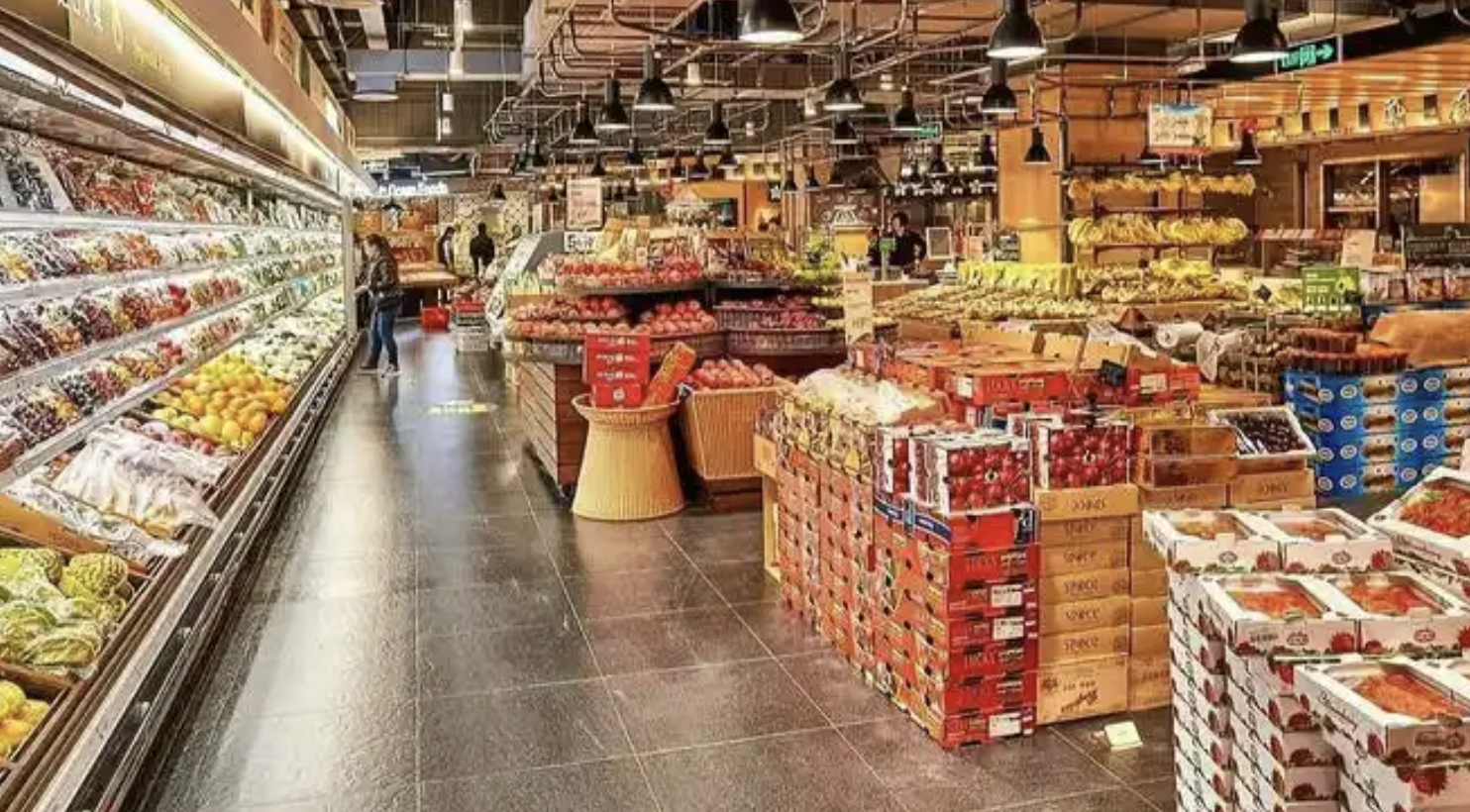
The Chinese fast‑moving consumer goods (FMCG) market in 2026 is showing moderate growth against the backdrop of a structural transformation of consumption and sales channels. Growth is shifting toward online channels, content‑ and service‑driven e‑commerce, as well as functional and wellness categories, while traditional mass products and offline formats face pressure on volumes and margins. For retailers and distributors from CIS countries, this creates a window of opportunity to import a new generation of Chinese brands that are already adapted to a more demanding and rational consumer.
-
Chinese FMCG market: dynamics and context 2026
Omnichannel FMCG sales in China in 2024–2025 grew at a moderate pace, with online channels and content platforms acting as the main drivers, while offline remained under pressure. Online FMCG sales showed double‑digit growth, whereas offline growth remained low or stagnated. In 2026, the market entered a phase of “low growth, high competition”: consumption remains cautious but stable, with increasing differentiation by category, price segment, and channel.
Growth is increasingly driven by functional categories, premium and healthy products, as well as omni‑channel formats that combine offline, e‑commerce, and instant retail. For market players, this means a shift from extensive expansion to a game focused on efficiency, depth of penetration, and precise matching to consumer demand.
-
The new consumer: cautious, value‑led, relevance‑driven
The Chinese consumer in 2026 is more rational and value‑led compared to the pre‑Covid period. They remain willing to buy branded products and pay a premium, but only if the product’s relevance and value are obvious and transparent.
Key consumer characteristics:
-
Cautious consumption: overall spending grows together with higher sensitivity to price and promotions, especially outside major sales events.
-
“Less but better” model: a decline in impulse purchases and growth in products with clear functional benefits (health, efficiency, convenience).
-
Pragmatic wellness: steady demand for healthy foods, functional drinks, products with less added sugar and fats, and solutions for prevention and quality‑of‑life support.
-
Demand for relevance: expectations of personalized offers, tailored assortments, and clear justification of premium pricing, especially in mid‑ and high‑income segments.
For brands and retailers, the key takeaway is that a focus on demonstrable benefits, transparent value, and relevance for a specific consumer segment becomes a basic requirement.
-
Categories: pockets of growth vs. pressure zones
3.1. Growth categories
Over 2025–2026 there are stable “pockets of growth” in the following areas:
-
Food & nutrition
Growth is supported by demand for convenient formats (ready‑to‑cook and ready‑to‑eat), functional products, and “restaurant‑at‑home” solutions. Within the category, smart‑food, healthy snacks, and products with added value (high protein, functional ingredients, improved nutrient profile) stand out. -
Beverages
There is a structural shift from traditional sugary drinks toward RTD tea, RTD coffee, functional drinks, and “ritual drinks” for energy, sleep, focus, digestion, and other states. Design, consumption scenarios, and emotional components become as important as taste. -
Pet care and baby care
These segments are growing ahead of the market due to an increasing number of pets, “humanization” of the pet category, and high parental sensitivity to quality and safety in baby products. Brands offering transparent composition, additional services, and expert content are gaining penetration. -
Senior care
The rising share of older consumers drives demand for specialized nutrition, supplements, products with adapted packaging design (large fonts, easy opening, simple instructions), and supportive solutions for health and everyday comfort.
3.2. Categories under pressure
Several traditional FMCG categories are facing pressure on volumes or margins:
-
Standard sugary drinks and “traditional” snacks without functional value are losing share to healthier and more differentiated solutions.
-
Mass household chemicals and hygiene products in basic formats are ceding ground to concentrated, eco‑friendly, and premium sub‑brands with improved formulas and better user experience.
For imports into the CIS, it is preferable to prioritize growth categories and avoid direct competition in segments where price pressure and saturation are most pronounced.
-
Channels: omnichannel, instant retail, and content‑commerce
4.1. Omnichannel growth
The omnichannel model is becoming standard for the Chinese FMCG market. Online channels provide the main contribution to growth, while offline is gradually repositioned from a place of purchase to a point of contact with product, service, and brand. For most major players, offline and online are already managed as a single system for demand, inventory, and promotions.
4.2. Content‑ and social‑commerce
Content platforms and social‑commerce (including short videos, livestreams, and in‑app stores) are becoming key sources of incremental demand. A model is emerging where entertainment content, recommendations, and purchase are integrated into a single user funnel. For FMCG brands, this means the need to invest in creativity, working with influencers, and data‑driven content management.
4.3. Instant retail and quick delivery
Instant retail (30–60 minute delivery) has become the standard in large cities. Hybrid “store + dark store” formats make it possible to combine physical infrastructure with online demand. For FMCG brands, being present in such ecosystems becomes a factor of availability comparable in importance to traditional shelf space in offline chains.
For CIS retailers and distributors, working with Chinese brands already integrated into omnichannel and instant models reduces operational risks and increases the likelihood of successful adaptation to local formats.
-
Portrait of a successful FMCG brand in China‑2026
Analysis of consumer behavior and demand structure highlights a typical profile of brands showing stable dynamics:
-
Clear positioning and functional differentiation
The brand addresses a specific consumer need (health, time‑saving, comfort, care for children/pets/elderly) and consistently confirms it through formula, packaging, and communication. -
Value‑for‑money and “rational premium”
The product may be priced above the base category, but the consumer clearly understands what they pay for: ingredient quality, technology, sustainable format, service, convenience of use. -
Digital maturity
Strong presence in e‑commerce and content platforms, active work with reviews and ratings, use of personalization and data‑driven approaches to promotions and assortment management. -
Focus on niche audiences
Leading brands build separate product lines and communications for specific segments: young professionals, parents of children of different ages, pet owners, 60+ consumers, and others. -
Adaptive packaging and formats
Flexible SKU lineup: large family formats for offline and group purchases, compact on‑the‑go solutions, specialized formats for instant retail and e‑commerce.
This profile can be used as a checklist when selecting Chinese partners for CIS markets.
-
Typical successful models and product solutions
6.1. Smart‑food and healthy snacks
Smart‑food brands in China combine traditional ingredients with modern formats. They focus on:
-
functionality (energy, focus, digestion, weight control)
-
transparent composition and readable nutrient profile
-
promotion through digital channels and opinion leaders.
Such solutions fit organically into the “less but better” model and can become drivers of premiumization in Russian and CIS retail chains.
6.2. Functional drinks and “ritual drinks”
Functional drinks show steady growth because they:
-
offer clear benefits for specific life situations (sports, office, sleep recovery, detox, etc.)
-
use design and consumption scenarios as a key part of the value proposition
-
actively integrate into content‑commerce and live formats.
With proper localization, such products can create new subcategories in CIS markets.
6.3. Pet, baby, and senior care
Companies in these segments:
-
build a high level of trust and loyalty among consumers
-
offer a wide assortment covering different age and functional needs
-
combine traditional channels with digital ones, placing special emphasis on educational content and service.
For CIS distributors, this is an opportunity to transfer not only products but also ready‑made end‑consumer engagement models into their portfolios.
-
Marketing and product launches: from promo noise to data‑driven growth
-
Content‑ and live‑commerce
Livestreams and short videos are becoming standard tools for launching and supporting FMCG brands. They allow brands to simultaneously demonstrate the product, collect feedback, manage promotions, and stimulate quick sales. -
Community group buying
In tier‑3 and tier‑4 cities, group buying models are actively developing, enabling consumers to consolidate demand and obtain better offers. Brands create special SKUs and packaging for this channel. -
Data‑driven brand management
Market players are increasingly using sales data, online behavior, and brand perception metrics to optimize assortment, promotion policies, and media mix. This reduces the role of “mass noise” and strengthens targeted, measurable activities.
-
Implications for CIS retailers and distributors
-
Prioritize categories and brands that show stable growth and functional differentiation (smart‑food, functional drinks, pet/baby/senior care, innovative household chemicals).
-
Assess the digital maturity of potential partners: e‑commerce presence, participation in content‑commerce, integration into quick‑delivery ecosystems.
-
Demand a clear value proposition and evidence base (composition, certificates, research) that can be adapted for communication in the CIS.
-
Localize not only the product but also the go‑to‑market model: use elements of Chinese go‑to‑market approaches (streams, community mechanics, educational content) combined with local channels (Telegram, VK, marketplaces, retail chains).