 RU
RU
 EN
EN
 CN
CN
China’s “party in a can” brand: how RIO 鸡尾酒 turns ready‑to‑drink cocktails into a mass lifestyle product
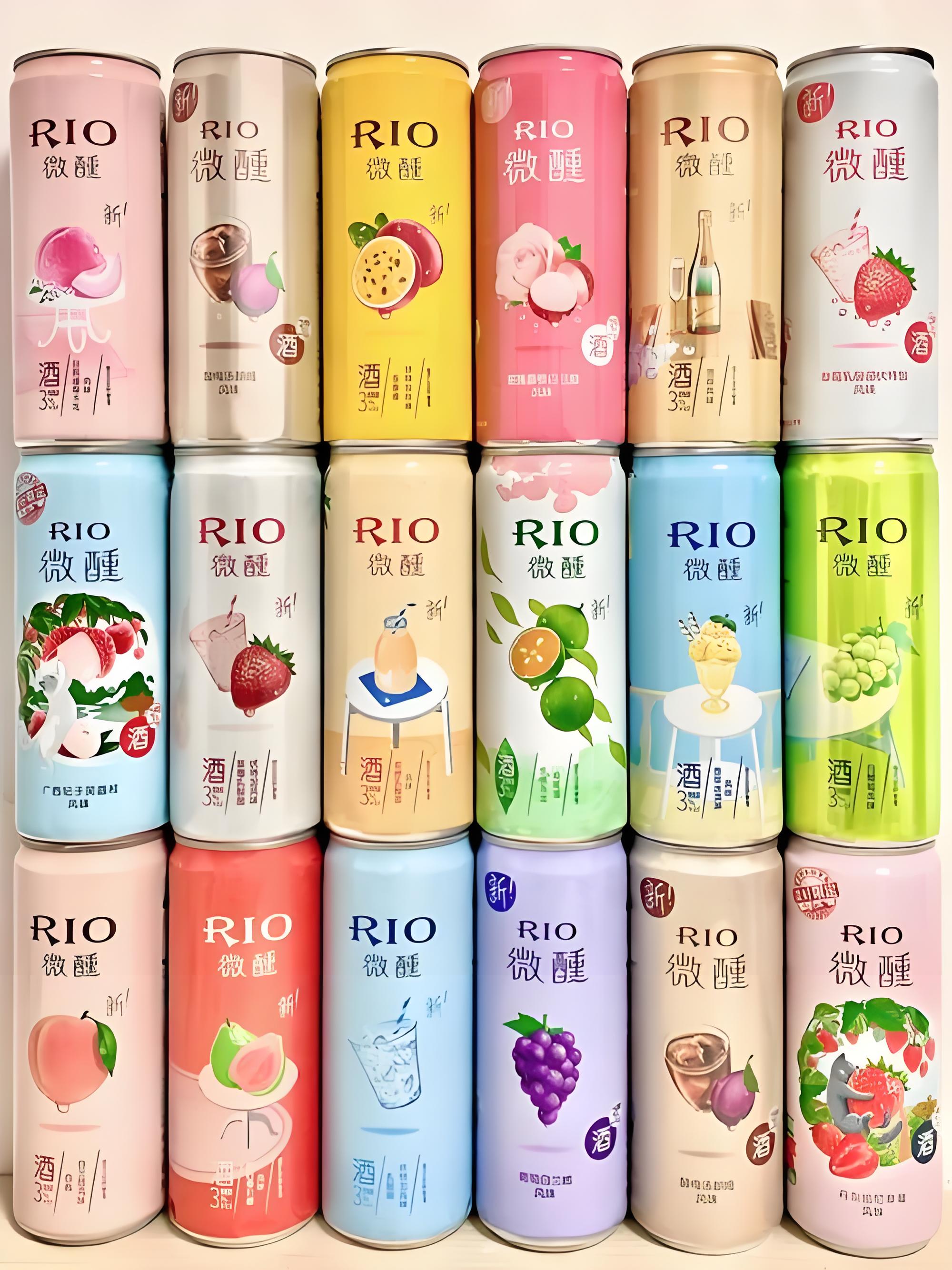
In China, the alcoholic beverages market has long been divided between beer, traditional spirits, and wine. The emergence and growth of low‑alcohol segments and ready‑to‑drink (RTD) cocktails has become one of the most notable shifts in young consumers’ behavior. At the center of this trend is the RIO 鸡尾酒 brand, which has managed to turn the “bar” format into an everyday product with a strong emotional component.
From bar culture to the supermarket shelf
RIO 鸡尾酒 originally built its positioning around the idea of “a cocktail that is always at hand”: a ready‑made drink with fixed strength, a familiar taste, and neat presentation that does not require a shaker, a bartender, or any special skills.
Key elements of the approach:
-
A clear alternative to a bar for those who “want to relax a little, but not get drunk.”
-
Low alcohol content and sweet, fruity flavors aimed at a young audience and consumers who generally avoid strong spirits.
-
A format that is convenient to “try out” – buying one or several cans/bottles with visually appealing design.
This has placed the brand at the intersection of several trends at once: growing interest in low‑alcohol drinks, a shift of consumption into the home and small gatherings, and the “Instagram‑ization” (and “Douyin‑ization”) of everything related to leisure.
Target audience: young, urban, visually driven
RIO’s main focus is young urban consumers for whom the following are important:
-
A taste that does not require “getting used to,” unlike traditional strong alcohol.
-
A bright, “cute,” or stylish product appearance that becomes part of social media visual culture.
-
The ability to control the degree of intoxication thanks to low strength and small portions.
RIO works not only with obvious scenarios such as “party” or “karaoke,” but also with more everyday ones:
-
Meeting friends at home.
-
Watching series.
-
Picnics and evening walks.
-
Small “personal celebrations” and “me‑time” after work.
In effect, the brand sells not so much alcohol as a light, “safe” format of relaxation and social interaction.
Product and flavors: a sweet entry into the world of alcohol
RIO’s assortment is built around several principles:
Low alcohol content
The cocktails are positioned from the outset as “light alcohol,” which lowers the entry barrier for those who are afraid of “overdoing it” or who do not tolerate strong drinks well.
Fruity and dessert‑style flavors
The ranges include fruity, berry, and sometimes dessert‑type combinations that are as friendly as possible to newcomers and to those who do not like the taste of neat alcohol. This is an important contrast to traditional Chinese strong spirits and even part of the beer offering.
Constant updates and limited editions
New flavors, seasonal launches, and collaborations are an important part of the strategy. The brand encourages consumers to “try something new” and turns flavor choice into an element of entertainment.
In this way, RIO lowers the psychological barrier for consumers who have never seen themselves as “alcohol lovers,” but are willing to have a cocktail from time to time.
Packaging and design: a product that has to look good on camera
One of RIO’s key competitive advantages is its visual component. In the era of short video and social media, a drink must not only taste good but also look good in photos or stories.
In its design, the brand uses:
-
Clean, bright colors that are easy to distinguish on the shelf and on camera.
-
Illustrations and graphics that highlight the flavor and mood of each specific range.
-
Different formats (cans, glass bottles) that shift perception from “cute” to more “premium.”
In practice, the packaging becomes part of the consumer’s personal branding: “which RIO you drink” turns into an element of style and self‑expression.
Channels: from chains to e‑commerce and content‑commerce
RIO clearly follows young consumers’ behavior, so its channel strategy is built not only around classic retail.
Key directions:
-
Supermarkets, convenience stores, and other easy‑access formats where the drink is bought spontaneously – “for a movie,” “for an evening get‑together.”
-
E‑commerce and quick delivery: orders ahead of parties, picnics, and home gatherings.
-
Content‑commerce and live streams: promo campaigns, tastings, and integrations with bloggers and streamers, for whom RIO becomes “mandatory props” on screen.
The brand fits organically into an environment where the line between “content” and “purchase” is blurred: you see a cocktail, you click, and an hour later a courier delivers a set.
Marketing: emotions, life scenes, and “little celebrations”
RIO’s communication is built around light social scenarios and emotions rather than strength or “status.” This fundamentally distinguishes the brand from traditional alcohol companies.
The main themes are:
-
“A little celebration here and now” – no need for a big occasion, a mood and a couple of cans are enough.
-
“Your own vibe” – a cocktail as part of a party, a series marathon, gaming, or talking with loved ones.
-
“Safe relaxation” – a soft, understandable level of alcohol that is not supposed to lead to loss of control (which is important for part of the audience, especially women).
The stories in advertising and content are often tied to everyday moments rather than rare “big” events, which keeps the brand relevant in day‑to‑day life.
Why the RIO case matters for CIS markets
For retailers and alcohol companies in the CIS, RIO’s story sends several important signals:
-
Low‑alcohol RTD cocktails do not have to be a “niche curiosity”; they can become a mass product if a brand captures the mood of young consumers correctly.
-
Taste and design are no less important than price and strength: visual appeal and an “Instagram‑friendly” format become drivers of the first purchase.
-
Light alcohol associated with “small celebrations” and “personal time” opens up a segment of consumers who ignore traditional strong drinks.
-
Integration into content‑commerce and quick delivery is no longer optional but a must‑have if a brand wants to stay in the field of view of digital‑native youth.
RIO as an indicator of changing attitudes to alcohol
At the level of cultural codes, RIO highlights an important shift: for part of Chinese youth, alcohol is ceasing to be a tool of “collective pressure” (banquets, toasts, corporate feasts) and is turning into a form of personal, controllable pleasure.
A brand that sells a “party in a can” is essentially selling a new model of leisure: soft, visually appealing, oriented toward comfort rather than testing the limits of the body. That is why the RIO case is worth considering when analyzing the future of the alcoholic beverages market in Russia and the CIS, where similar demands for lightness, flavor, and controlled consumption formats are arriving with a time lag.