
 RU
RU
 CN
CN
Chinese dairy giant in the era of pragmatic consumption: how 伊利 (Yili) is transforming
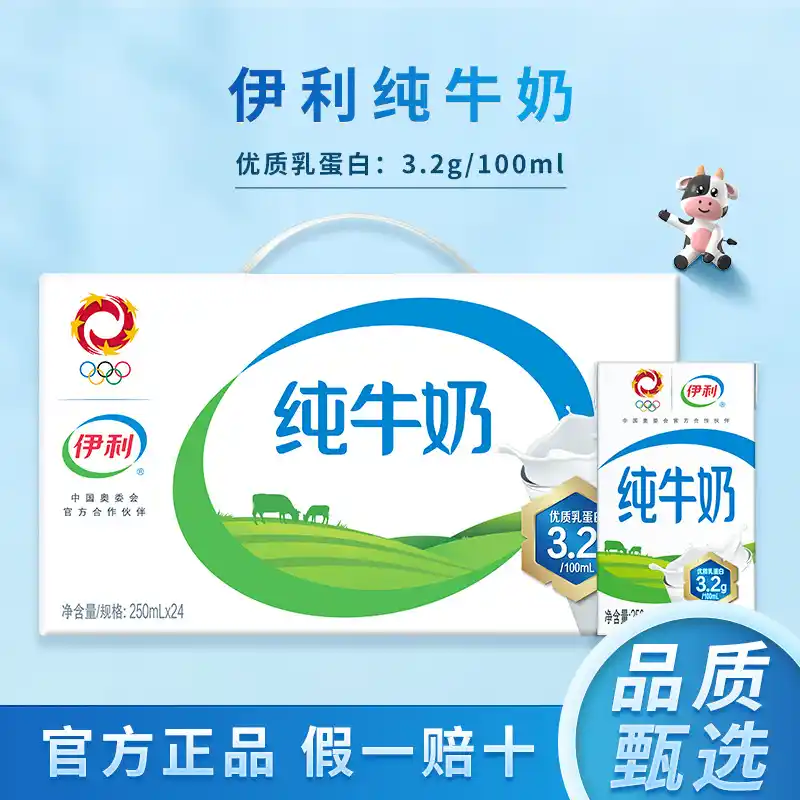
In China, the dairy category has traditionally been seen as an indicator of household prosperity and of the level of trust in food products. Against this backdrop, the evolution of the market’s largest player, 伊利 (Yili), shows how a dairy giant is adapting to a more rational, demanding, and digital consumer. By 2026, Yili is no longer just a producer of milk and yogurt but a large‑scale ecosystem of brands integrated into everyday nutrition, health, and lifestyle.
From “milk for everyone” to a portfolio of need‑based solutions
Historically, Yili built its positioning around the idea of affordable and safe milk for broad segments of the population. As the market matured and consumer incomes and expectations grew, the company consistently shifted away from a mono‑focus on the basic product toward a portfolio structured around needs and consumption moments.
Today, within the master brand and its sub‑brands, the following coexist:
-
Basic lines of drinking milk and yogurt aimed at everyday mass demand.
-
Premium products emphasizing raw‑material origin, improved nutrient profile, and a “clean” ingredient list.
-
Functional and specialized solutions, from children’s and school nutrition to high‑protein beverages and products for an active lifestyle.
In this way, the brand is effectively rebuilding its communications: from the abstract “it is good to drink milk” toward clearly segmented messages such as “this product is for children,” “this one is for seniors,” and “this one is for sports and weight management.”
The new consumer: health, trust, and rationality
In China, the dairy category carries an additional burden: it is directly linked to issues of trust, quality, and safety. For Yili, this is both a responsibility and a competitive advantage: the company must constantly reaffirm its right to be seen as a “reliable” supplier of dairy products.
The modern consumer expects from a dairy brand:
-
Transparency of raw‑material origin and supply chain.
-
A clear ingredient list without “unnecessary” additives and with emphasis on real nutritional benefits.
-
Evidence‑based communication explaining why a particular product is beneficial for a child, an athlete, or an elderly person.
Yili responds to these expectations through a combination of technological investments (quality, safety, traceability) and marketing tools: educational content, simple visualization of benefits, and differentiated lines for different age groups and life stages.
Product portfolio: from basic milk to functional nutrition
Basic dairy products
These are the core of the business, providing scale and resilience. Here, the key factors remain:
-
Stable quality and taste.
-
Predictable price and broad availability in retail.
-
Anchoring in daily consumption habits (breakfast, school snacks, evening tea).
Premium and “natural” lines
As incomes rise and interest in a healthy lifestyle grows, the premium segment is strengthening:
-
Milk from specific regions or with special quality control.
-
Products with improved formulations (more protein, less sugar, absence of certain additives).
-
Packaging and design that emphasize “purity,” environmental friendliness, and a modern lifestyle.
Functional and specialized nutrition
Yili is gradually becoming a player in the functional nutrition market:
-
Children’s lines with age markings and substantiated benefits for growth and development.
-
Products for schoolchildren and students positioned as sources of energy and concentration.
-
High‑protein yogurts and drinks aimed at sports and active lifestyles.
-
Solutions for seniors that take into account absorption specifics, the need for calcium and protein, and ease of consumption.
This approach allows the company to retain the mass segment while also participating in the premiumization of the category without diluting its basic positioning.
Channels: strong offline base and rapid shift to omni‑channel
Historically, Yili built its strength on wide offline distribution:
-
Presence in supermarkets, convenience stores, traditional trade, and HoReCa.
-
Deep penetration into lower‑tier cities and rural areas.
-
High contact frequency with the brand through branded refrigerators and in‑store displays.
However, growth in the dairy category is increasingly shifting toward online and omni‑channel formats:
-
Consumers place weekly or monthly orders for milk and yogurt via e‑commerce and quick‑commerce apps.
-
Subscription‑based consumption habits are forming, such as “milk to the door” on set days.
-
In digital channels, brand visibility and promo management are becoming as important as the physical shelf.
Yili is actively adapting its model: it is expanding its presence on key platforms, strengthening its use of consumption data, and leveraging digital communication to promote functional and premium lines.
Communication: from “milk is good for everyone” to differentiated narratives
The classic dairy slogan about benefits “for everyone” no longer works in the context of fragmented and rational demand. Yili’s communication is increasingly built around several major narratives:
-
“Caring for the family”: milk and yogurt as part of daily care for children and older family members, with emphasis on trust and stability.
-
“Modern active lifestyle”: high‑protein and functional products as part of sports routines, office life, and travel.
-
“Conscious choice”: premium and “natural” lines as the answer to more demanding consumers’ concerns about ingredients and product origin.
Visual language plays an important role: clean, light packaging, benefit infographics, and clear indications of age and functional differences.
Why Yili’s story matters for CIS markets
For dairy and FMCG players in the CIS, Yili’s case is interesting for several reasons:
-
It shows how a large mass brand can move away from primitive price competition and build a multi‑layered portfolio without losing scale.
-
It demonstrates how, on the basis of a basic product (milk), one can create a line of functional and specialized nutrition for different ages and needs.
-
It underlines the importance of trust and transparency in health‑related categories; without these, neither premiumization nor digitalization delivers real effect.
-
It provides a benchmark for developing an omni‑channel model that combines a strong offline base with aggressive expansion into e‑commerce, subscription models, and quick delivery.
For distributors and retailers from the CIS, this is also a potential avenue for direct cooperation: from importing selected dairy and functional lines to joint projects in children’s and specialized nutrition.
The strategic role of Yili in the new market configuration
Yili is not just the largest dairy player in China; it is also a marker of how the very logic of managing health‑ and everyday diet‑related categories is changing. In the coming years, the company’s success will depend on how consistently it can:
-
Maintain its status as a “reliable mainstream brand” in the mass segment.
-
Accelerate the development of premium and functional products without losing clarity for the mass consumer.
-
Embed its brands into the digital consumption infrastructure, from marketplaces to subscription services and nutrition apps.
-
Continue investing in quality, safety, and consumer education so that health as a theme remains associated with Yili.
For media and the professional community in CIS markets, Yili’s story is not only an example of Chinese success but also a mirror of processes gradually arriving in their own markets: the transition from “just milk” to integrated solutions for nutrition, health, and lifestyle.