
 RU
RU
 CN
CN
Hidden retail costs and ways to save on acquiring
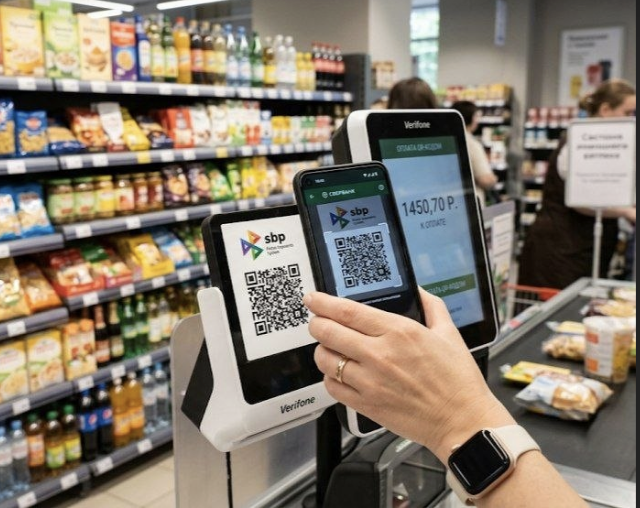
As part of the business program at the "Russian Retail Week" forum, experts discussed ways to reduce financial costs for retail businesses. Special attention was paid to commissions for accepting cashless payments. According to industry analysts, the average rate for classic bank acquiring currently ranges from 1.14% to 2.5%. As a more profitable alternative, grocery retail chains are advised to actively use the Fast Payment System (SBP) via QR codes, where the commission is significantly lower and amounts to only 0.4–0.7%.
With the constant growth of turnover, the percentage difference becomes critical. Specialists identify several of the most common mistakes entrepreneurs make when setting up payment acceptance:
-
Choosing disadvantageous base rates without considering alternatives.
-
Purchasing or renting unnecessary cash register equipment.
-
Lack of regular transaction analytics.
Financial losses from such miscalculations may be completely imperceptible in the moment, but over the course of a year, they can reach 90,000–120,000 rubles even with a relatively small turnover of 1 million rubles. The payment infrastructure must be flexible and adapt to business scaling in a timely manner, while remaining convenient for end consumers.
"For a young retail business at the start, QR code plaques and mPOS terminals or 2-in-1 cash registers will be cheaper and more profitable. A growing retail business needs equipment with high payment processing speeds, an increased share of QR payments, and control over hidden costs," noted Ilya Romanov, Head of the "Merchant Acquiring" product at Tochka bank for entrepreneurs.
For Chinese investors and suppliers opening their own branded FMCG sales points, Asian grocery stores, or ready-to-eat food corners in Russia, the use of SBP (which is conceptually similar to the WeChat Pay and Alipay systems familiar in the PRC) is a key tool. In a low-margin grocery retail environment, reducing the acquiring burden directly increases the company's net profit and allows it to offer customers more competitive retail prices for imported products.