
 RU
RU
 CN
CN
Demand for Asian-Flavored Products Grows by Up to 40% in First Half of Year
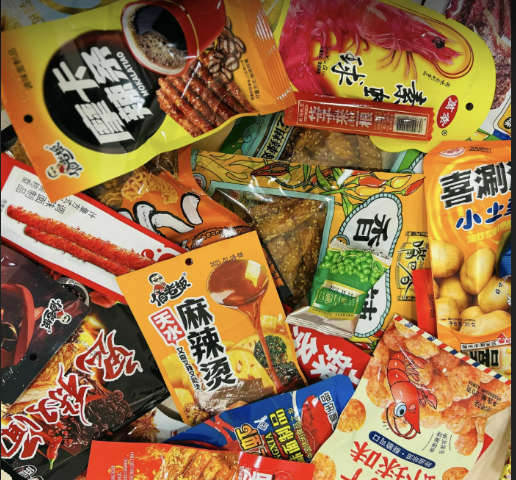
In the first half of 2026, demand for Asian products with unusual flavors in Russia increased by 10–40% compared to the same period last year, according to data from the Association of Retail Companies (AKORT). The trend covers both ready-to-eat meals and individual ingredients.
Sales in Retail Chains
In Lenta, sales of Asian products increased by 16%, and unusual sweets by 10%. In X5 Group, sales of Asian-style ready-to-eat food grew by 23%. Auchan recorded a 33% increase in sales of detox tea, 87% for mango-flavored iced tea, and 59% for raspberry-flavored iced tea.
Examples of Products with Rapid Popularity Growth:
- Kimchi-flavored croutons;
- Sunflower seeds with Asian spices;
- Pelmeni (dumplings) with tom yum sauce;
- Lychee soda;
- Mango iced tea;
- Sakura-flavored plant-based milk;
- Ice cream with pine nuts and cashews;
- Cheese ice cream with mascarpone or gorgonzola;
- Pickle-flavored fruit ice;
- Beer-flavored ice cream.
Reasons for the Trend
AKORT attributes the growth to consumers—predominantly children and youth under 25—connecting with global culture through unusual products. Strategy Partners, Infoline, and Rusprodsoyuz view this category as a source of affordable pleasure, emotional experience, and a way to diversify daily routines.
Supplier consultant Mikhail Lachugin believes that retail chains themselves drive the demand by enriching their assortments with unusual items to increase profit margins. Infoline agrees: retailers have to compete for shoppers' attention, and such products help achieve this. Lenta notes that new products increase the average ticket in the confectionery department even when sales volumes in kilograms remain flat, and they also attract young people who subsequently purchase other goods.
Segment Outlook
Rusprodsoyuz has not observed fundamental changes in consumer habits, attributing the high growth in demand for exotic foods to a low base effect. Lachugin expects unusual products to remain in retail assortments while demand gradually cools. Strategy Partners adds that individual new products will lose popularity due to the short-term nature of the trends, meaning manufacturers will have to accelerate assortment rotation.
Infoline highlights two directions for the segment's development through the end of the year: Asian-style gastronomic experiments and functional products.
For the Chinese food market, the growing demand for Asian products in Russia opens up additional export opportunities. Chinese manufacturers can increase supplies of ingredients, sauces, snacks, and Asian-flavored beverages, especially given the familiarity of Russian consumers with Asian cuisine.
At the same time, competition in this segment is already high: local and international brands are actively launching new products, and consumer interest in exotics may shift toward other regional cuisines.
Therefore, Chinese suppliers must adapt their products to Russian taste preferences by offering less radical flavor combinations and emphasizing quality and supply stability. Requirements for certification and logistics remain an additional barrier, increasing costs for smaller companies.