
 RU
RU
 CN
CN
Cargo Traffic Through Far Eastern Checkpoints Zabaikalsk and Pogranichny Continues to Grow
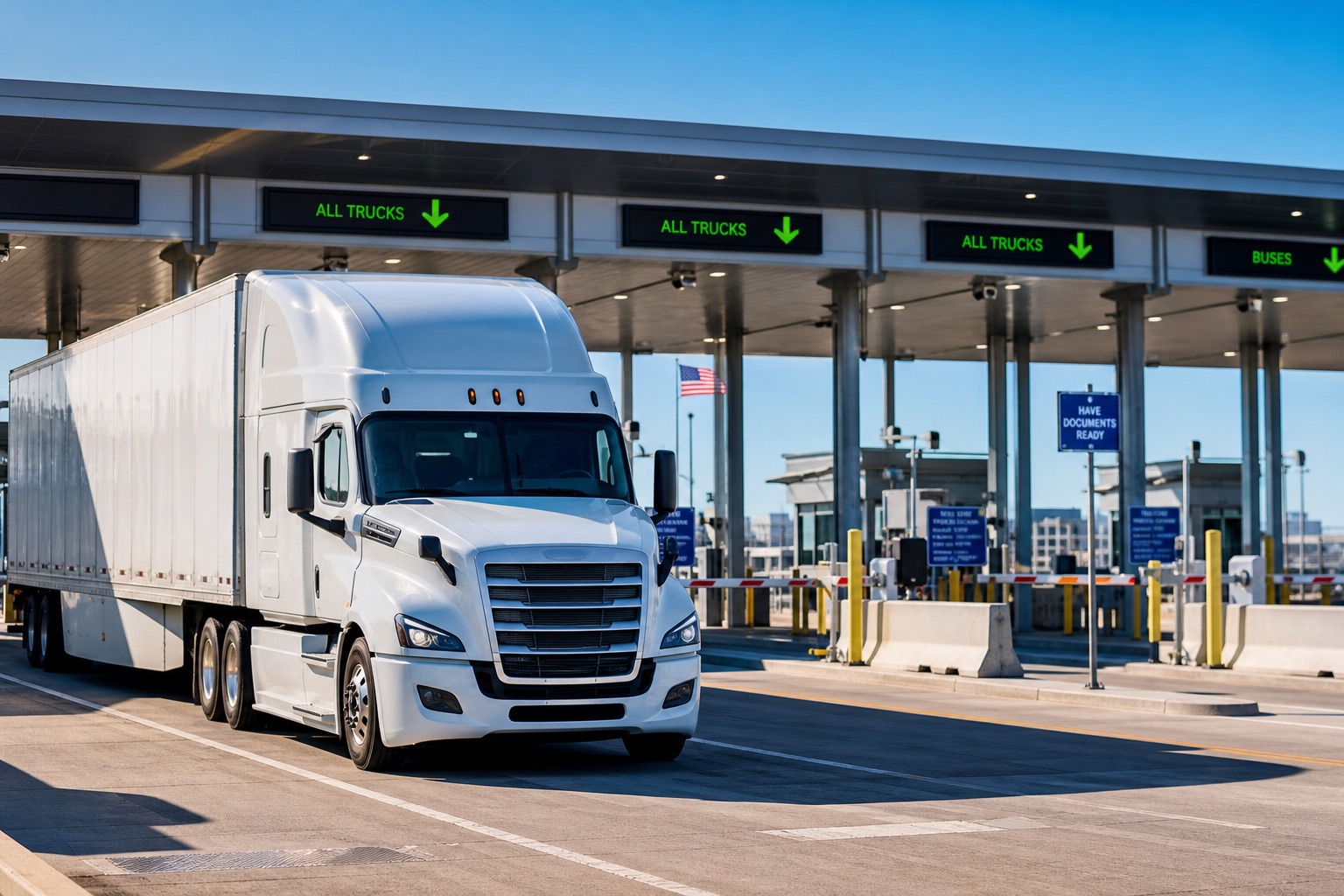
Following the first five months of 2026, key automobile checkpoints on the border with China demonstrated a significant increase in capacity. According to the Federal Customs Service (FCS) of Russia, 119,919 freight vehicles passed through the Zabaikalsk multilateral automobile checkpoint (MAPP), which is 29.7% higher than the figures for the same period last year. Total cargo turnover in this direction increased by 27.5%, exceeding 1.2 million tons.
Similar dynamics were recorded at the Pogranichny MAPP in the Primorsky Krai. From January to May 2026, 53,988 vehicles were processed here (a 13% increase). The total volume of transported cargo approached the 690,000-ton mark, growing by 7% year-on-year.
To ensure uninterrupted trade turnover amid growing loads, customs authorities are optimizing control algorithms and reinforcing work shifts. Simultaneously, a large-scale infrastructure project to reconstruct the checkpoint is underway in Zabaikalsk. It is expected that upon completion of the modernization, the number of traffic lanes will be increased to 28, and the total capacity of the border crossing will grow by 5.5 times—up to 2,400 vehicles per day. Construction and installation work is being carried out without suspending current customs clearance processes.
The steady double-digit traffic growth (nearly +30% in Zabaikalsk) confirms the sustainable reorientation of Russian FMCG retail and raw materials supply chains toward the Asian market. The current border crossing infrastructure is operating at peak capacity; however, the absence of a decline in cargo turnover amidst the ongoing reconstruction of MAPP Zabaikalsk indicates effective management of logistics flows by the FCS. For importers, this is a positive signal: expanding capacity to 2,400 vehicles per day in the medium term will radically reduce truck downtime at the border, directly contributing to cheaper logistics and improved predictability of deliveries.