
 RU
RU
 CN
CN
Russian Public Opinion Research Center (VCIOM) assesses Russians' demand for healthy eating and easy-to-understand products.
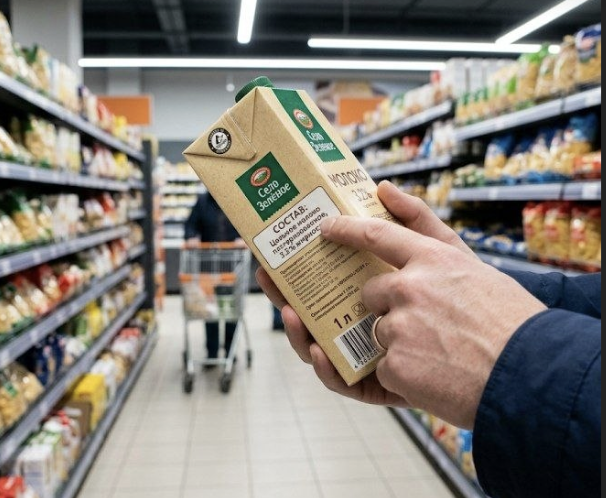
The vast majority of consumers in Russia demonstrate a high interest in a healthy lifestyle, but face significant difficulties in shaping their daily diet. According to the results of a large-scale joint study by the Russian Public Opinion Research Center (VCIOM) and the industry project "Logic of Milk," which involved 3,200 respondents, 92% of Russians are interested in the topic of proper nutrition. However, only 40% of those surveyed assess their current diet as balanced.
The main obstacle to changing consumer habits is information noise. Analytics reveal the following trends:
-
71% of survey participants regularly encounter contradictory recommendations from nutrition experts.
-
72% find the offered advice too complex to apply in real life.
-
56% of respondents prefer to leave things as they are and not change their eating habits when faced with conflicting information.
The study "The Perfect Plate: In Search of a National Healthy Eating Idea" revealed an acute need among the population for unified, accessible, and understandable government recommendations—67% of citizens stated this. Consumers expect the healthy eating concept to take into account harsh everyday realities: limited family budgets, fatigue after work shifts, and established taste preferences. Milk is cited as an example of a staple product; while positioned as an affordable Russian superfood, it suffers from an abundance of social media myths lacking an evidence base.
"It is important that the framework for nutrition speaks to a person calmly and respectfully. The goal is not to make all plates identical, but to help people choose what is simultaneously healthy, familiar, and affordable," the study's authors emphasize.
For Chinese manufacturers and exporters of FMCG food products, this VCIOM data serves as a direct guide for building a marketing strategy in the Russian market. The promotion of new food products (e.g., Asian functional drinks, noodles with healthy additives, or healthy snacks) should not rely on complex instructions or aggressive healthy lifestyle slogans. Chinese brands need to emphasize clean labels (clear ingredients), ease of preparation, and affordability. Products that easily integrate into a Russian's familiar dinner and do not require overpaying for "trendy" ingredients have the greatest potential for large-scale sales in national retail chains.