
 RU
RU
 CN
CN
Wildberries raises commission rates for Chinese sellers
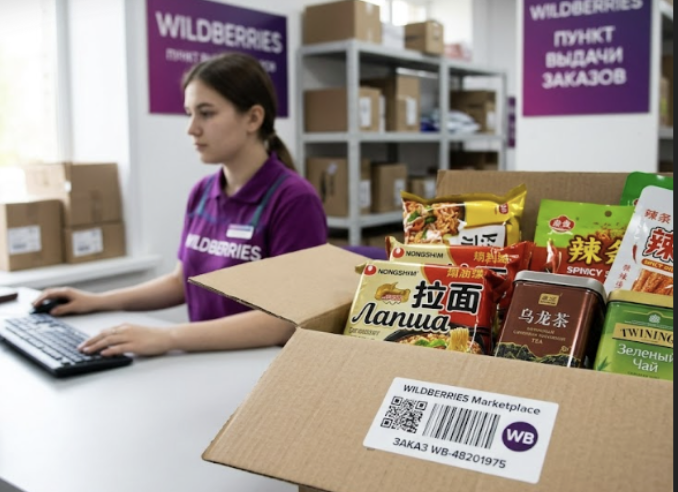
Russia’s largest online marketplace, Wildberries, is radically changing its financial policy towards foreign partners. As of 22 July 2026, the platform is increasing the base commission for Chinese sellers by 10 percentage points at once.
The changes will affect absolutely all product categories, including the fast‑growing segment of imported food products. The new rates will apply to the sale of the following types of food and beverages:
-
Authentic Asian grocery items (sauces, pastes, instant noodles).
-
Traditional Chinese tea and soft drinks.
-
Exotic snacks and confectionery.
Previously, Russia’s Federal Antimonopoly Service (FAS) ordered the marketplace to eliminate differences in commission terms for domestic and foreign suppliers. The platform postponed the introduction of the new rules several times, but the transition to unified conditions has now officially begun. Chinese sellers have already received formal notifications of amendments to the relevant clause of the offer agreement.
“These adjustments are aimed at ensuring transparency of commercial activities on the platform,” Wildberries’ press service stated.
Meanwhile, the Association of E‑Commerce Market Participants (AURÉK — the sectoral association of sellers and pickup point operators) has commented on the financial implications of the new rules.
“According to our estimates, in peak segments the commission may reach 20%,” representatives of AURÉK emphasized.
For Chinese FMCG food exporters who actively use Russian e‑commerce as their primary sales channel, the increase in fees will pose a serious challenge. To offset the higher costs, suppliers from China will either have to factor the new commission into the final retail price — making Asian food more expensive for end consumers — or to seek efficiencies in logistics and operational processes.