
 RU
RU
 CN
CN
Imports of Chinese Dairy and Chilled Products into the EAEU: Cold Chain as a Bottleneck and a Growth Opportunity
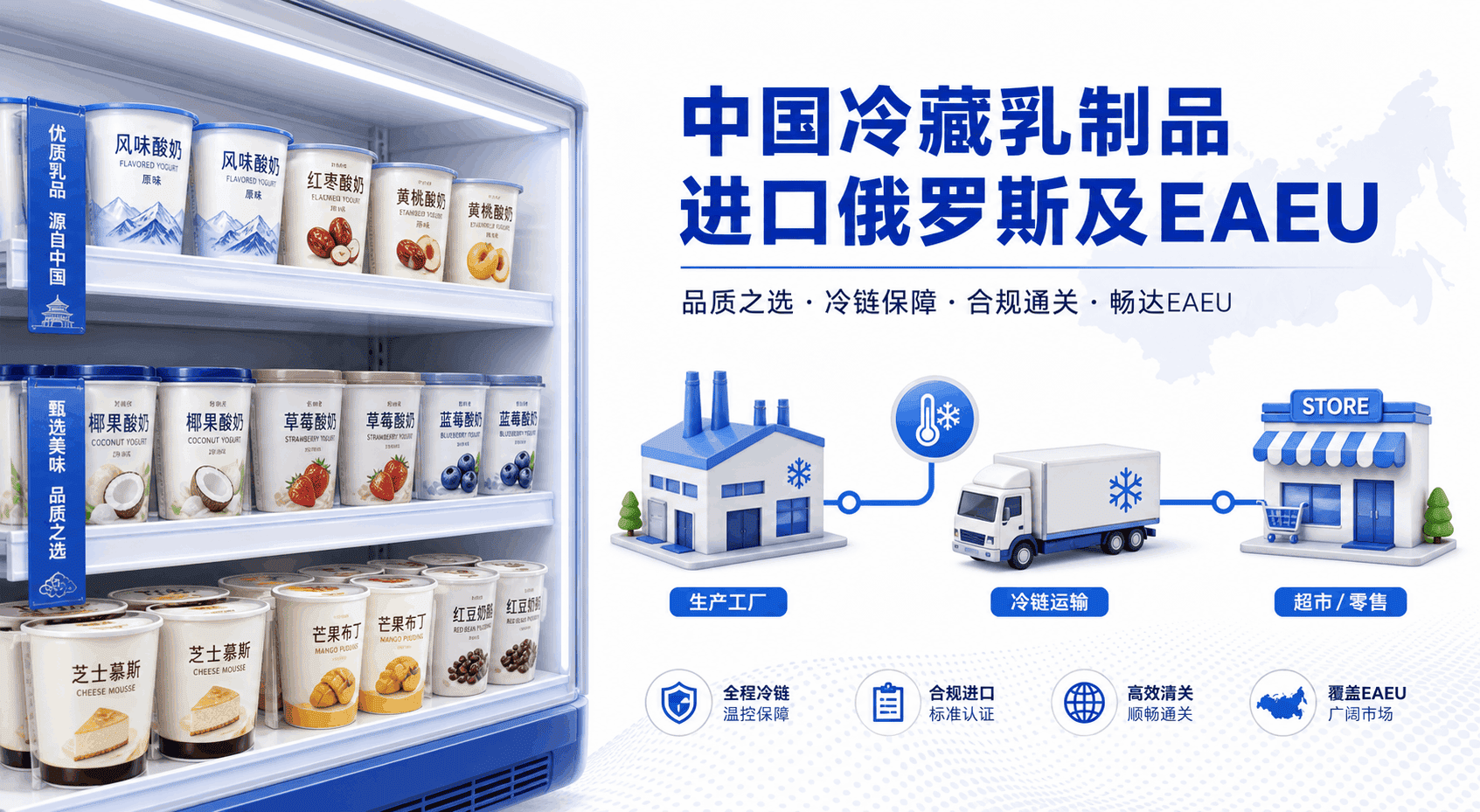
Interest in Chinese dairy and chilled products in Russia and the wider EAEU is gradually increasing, but the actual scale of imports remains constrained less by demand than by infrastructure and regulation. The most sensitive categories are yogurt, dairy desserts, fresh milk products, and chilled ready meals. In these segments, the long cold chain from China to Russia, Kazakhstan, and Belarus is not just a logistics challenge; it is the main factor that determines whether the business case works at all.
In 2025–2026, the EAEU market is sending two signals at once. On the one hand, internal dairy production within the union remains strong: Belarus is expected to exceed 9 million tons of milk output in 2025, while Russia exported more than $500 million worth of dairy products in 2025, led by cheese, fermented dairy, and ice cream. On the other hand, this does not eliminate demand for niche, innovative, and Asian-style categories, especially in big cities and the premium modern-trade segment.
Why the cold chain remains the key barrier
For milk powder, ice cream, or shelf-stable dairy, logistics is comparatively predictable: products travel longer, temperature control is more forgiving, and shelf life offers more room for delay. Chilled categories are very different. If the product must remain in a stable chilled range and has a short or medium shelf life, every leg of the route — factory, consolidation warehouse, border crossing, distribution center, retail shelf — becomes a risk point.
The problem is not just distance. More importantly, the China–EAEU route for chilled products is often multimodal, involving different transport modes, transshipment points, and several logistics operators. That increases the chance of temperature deviations, delays, document mismatches, and shelf-life loss before the product even reaches the store. For chilled yogurt or dairy desserts, even a small delay can mean not simply higher cost, but the loss of the entire batch.
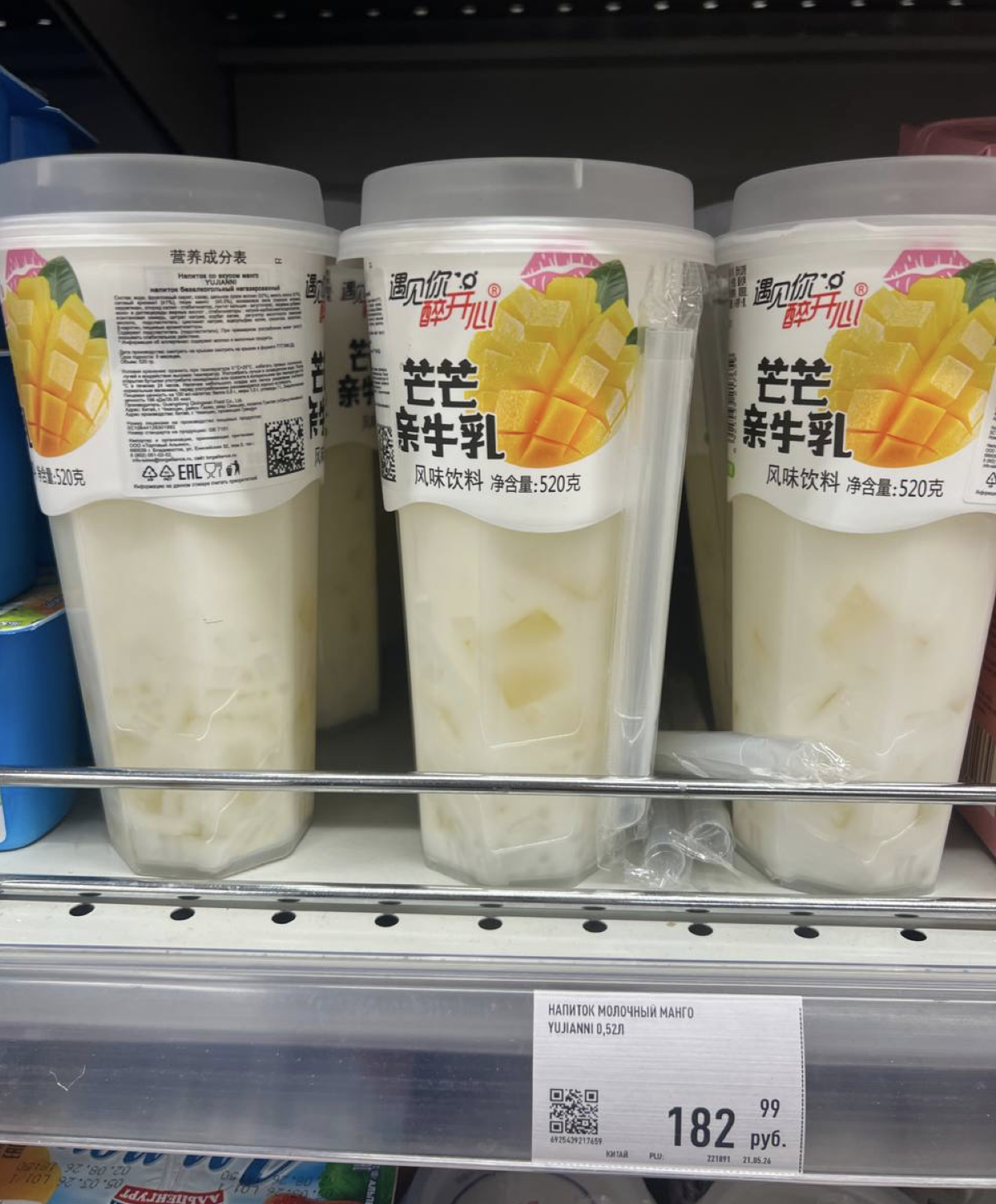
Regulation puts additional pressure on unit economics
Even when logistics is well managed, imports of chilled dairy and milk-based ready meals into the EAEU face strict veterinary and technical requirements. Unified EAEU veterinary rules allow imports of milk and dairy products only from compliant territories and facilities, while amendments to union technical regulations continue tightening maximum residue levels for veterinary medicines in food products of animal origin.
In practical terms, this means a Chinese exporter needs more than a good product and a refrigerated warehouse. It needs an approved facility, correctly issued veterinary documentation, traceability, compliant labeling, and a local partner that understands how the product moves through Russian, Kazakh, or Belarusian control systems. For highly perishable chilled products, paperwork errors are far more expensive than in dry or frozen categories because the time available to fix them is limited by the product’s own commercial life.
Russia, Kazakhstan, and Belarus are three different entry scenarios
Although these markets sit within the same EAEU framework, the real entry models differ. Russia is the largest and most attractive market, but also the most demanding in terms of logistics, retail scale, and sell-through expectations. Kazakhstan is interesting as a more compact test market, yet researchers note that weak cold-chain infrastructure remains a constraint in convenience and frozen foods, while the market is becoming more selective about imported innovation. Belarus, by contrast, has a strong domestic dairy base and a mature understanding of cold logistics, which makes it less of a simple sales market and more of a potential hub for processing, repacking, and industrial partnership.
Case 1: why major Chinese dairy players historically leaned toward shelf-stable and frozen categories
The strategic logic of China’s largest dairy groups is revealing. Morningstar notes that Yili historically focused on UHT milk and yogurt segments in light of the still underdeveloped cold-chain system even within China itself. Mengniu reported growth in chilled yogurt, fresh milk, cheese, and ice cream in 2025, but this expansion was built on a deep domestic distribution network and internal diversification, not on large-scale long-distance exports of chilled products.
For the EAEU, this sends an important message. Even large Chinese dairy companies with advanced domestic supply chains usually build chilled scale at home first, and only then approach more complex long-distance formats. That suggests that entry into Russia, Kazakhstan, or Belarus is more likely to succeed when brands start with shelf-stable dairy, frozen or semi-finished solutions, or local manufacturing partnerships, rather than attempting direct exports of short-life chilled SKUs from day one.
Case 2: the hybrid model through local processing
A second workable model is to avoid shipping a finished chilled yogurt or dessert all the way from China into the EAEU. Instead, the value chain is split. Starters, bases, fillings, flavor systems, packaging solutions, or semi-finished components with more stable logistics are shipped from China, while final processing, filling, or assembly of the chilled product takes place in Russia or Belarus.
Commercially, this reduces pressure on the cold chain, simplifies part of the veterinary and customs process, and allows shelf life to be calibrated to local retail realities. This model is especially relevant for dairy desserts, drinking yogurts, and chilled ready meals with milk components, where success on shelf depends not only on taste, but also on the remaining shelf life at the moment the retailer accepts the goods.
Where the growth point lies in 2026
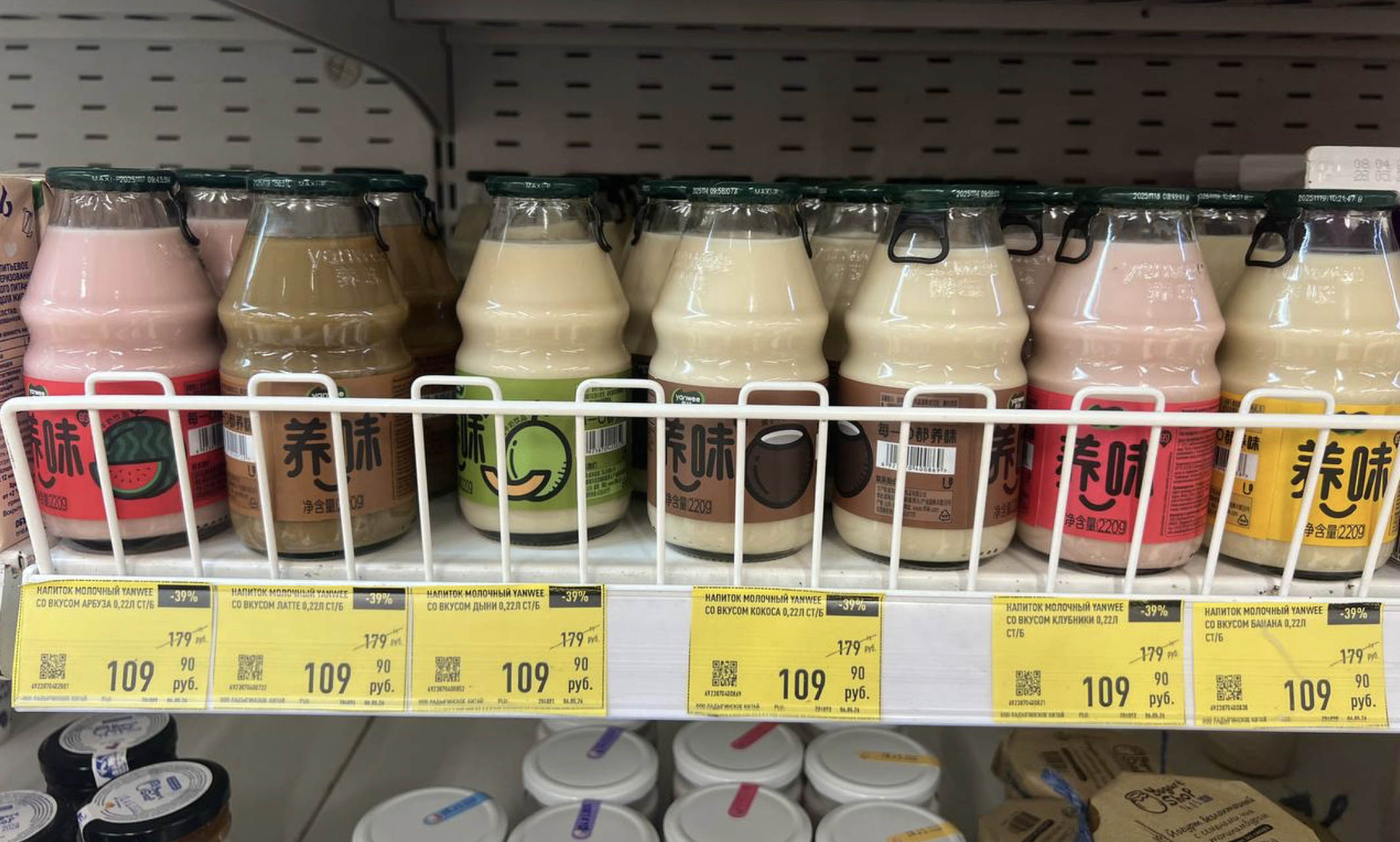
The paradox is that cold chain is both the bottleneck and the opportunity. Globally, chilled remains the largest segment of cold chain logistics, while Russia’s food logistics market continues to grow in value, meaning that infrastructure will keep expanding alongside demand. Demand fundamentals are also moving in the right direction: ready meals, convenience formats, and more sophisticated dairy categories are gradually developing across the region, especially in large urban centers and modern retail.
For Chinese companies, this means cold chain should be treated not only as a technical problem, but as part of go-to-market strategy. Over the next 12–24 months, the strongest chances will belong to those that enter in stages: first with shelf-stable or frozen products, then with hybrid models involving local packing or finishing, and only after that with direct chilled imports for selected premium SKUs in cities with stable cold-chain infrastructure.
From a market perspective, Chinese chilled dairy products and ready-to-eat refrigerated meals have real potential in the EAEU — but only with the right market‑entry architecture. The mistake many suppliers make is trying to sell into Russia, Kazakhstan, or Belarus with exactly the same products and go‑to‑market logic they use inside China. In practice, for retail chains and importers, taste and price are only part of the equation; what also matters is remaining shelf life, temperature stability along the entire route, legal cleanliness of the import process, and the supplier’s ability to deliver consistent batches over time.
RetailChina.pro does not see its role as promising “fast contracts” in a complex chilled category, but rather as designing the right route for a brand to enter the region. For some companies, this means starting with more logistically robust SKUs and testing demand through distribution or retail pilots; for others, it means finding an industrial partner in Russia or Belarus and moving the final assembly of the product closer to the shelf. This approach reduces risk for all parties and makes the Chinese brand visible not just in a single market, but across the broader EAEU and CIS ecosystem.